
Dassault Aviation
French excellence in military and civil aviation
Dassault Aviation, headquartered in Saint-Cloud, France, is a global symbol of technological excellence, craftsmanship, and innovation in both defense and business aviation. Founded in 1929 by Marcel Dassault, the company has built a reputation for engineering precision and avant-garde design. While Dassault first gained renown through its fighter aircraft for the French military — including the Mirage and Rafale — its Falcon business jet division has become a cornerstone of the company's identity, delivering aircraft that combine performance, efficiency, and refined elegance.
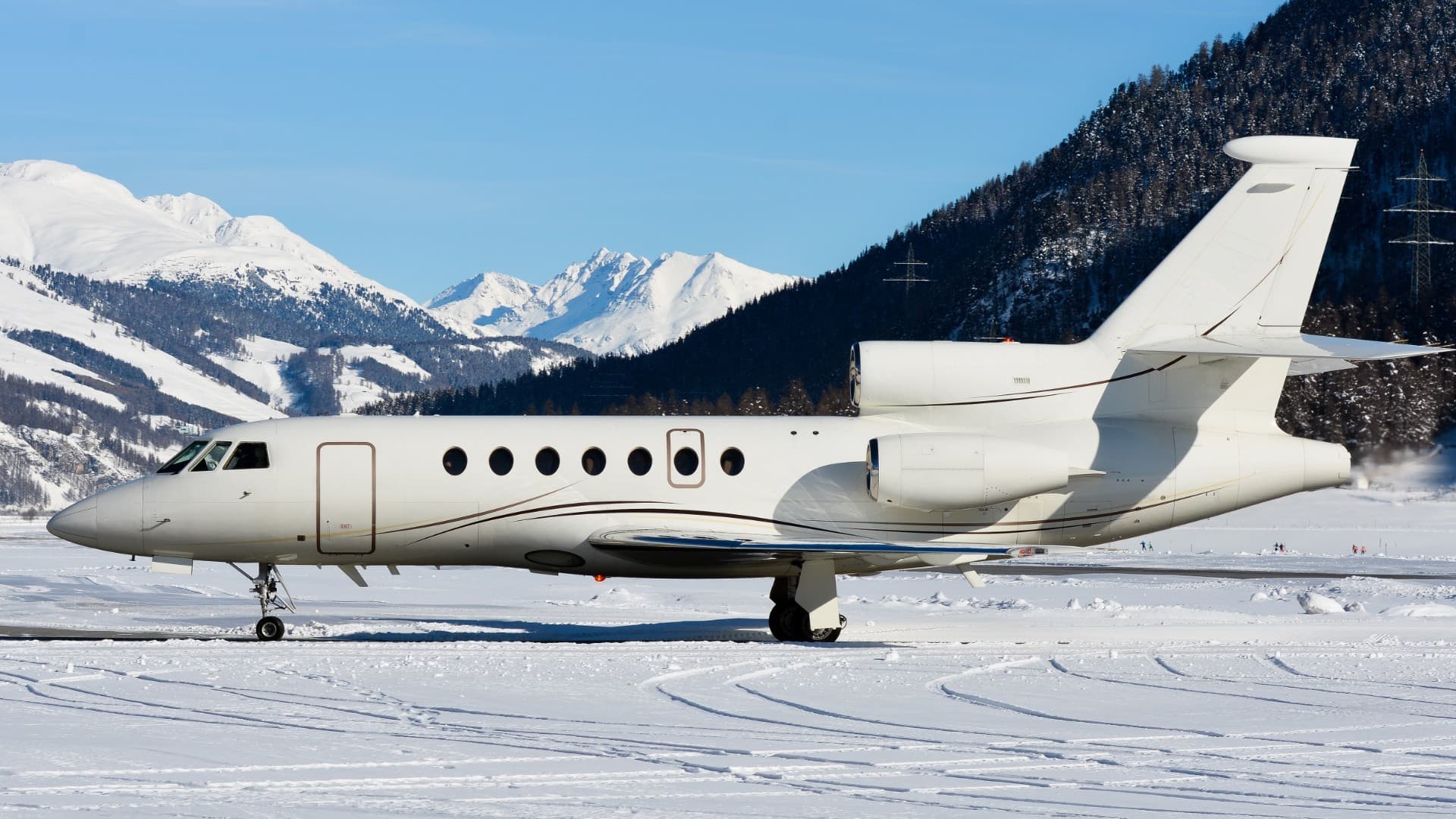
The Falcon family was inaugurated in 1963 with the Falcon 20, a sleek twin-engine jet that quickly gained international recognition and was even operated by FedEx in its early cargo operations. Over the decades, Dassault has introduced a series of Falcon models — among them the Falcon 50, 900, and 2000 — that established benchmarks for comfort, reliability, and versatility.
A defining feature of Dassault's approach is the transfer of advanced military technology into its business jets. Fly-by-wire systems, digital flight controls, and aerodynamic innovations first developed for the Mirage and Rafale fighters have been successfully adapted to Falcons, offering pilots superior control and passengers smoother rides. Dassault jets are renowned for their ability to operate from shorter runways, increasing access to smaller airports and enhancing point-to-point efficiency for executives and corporations.
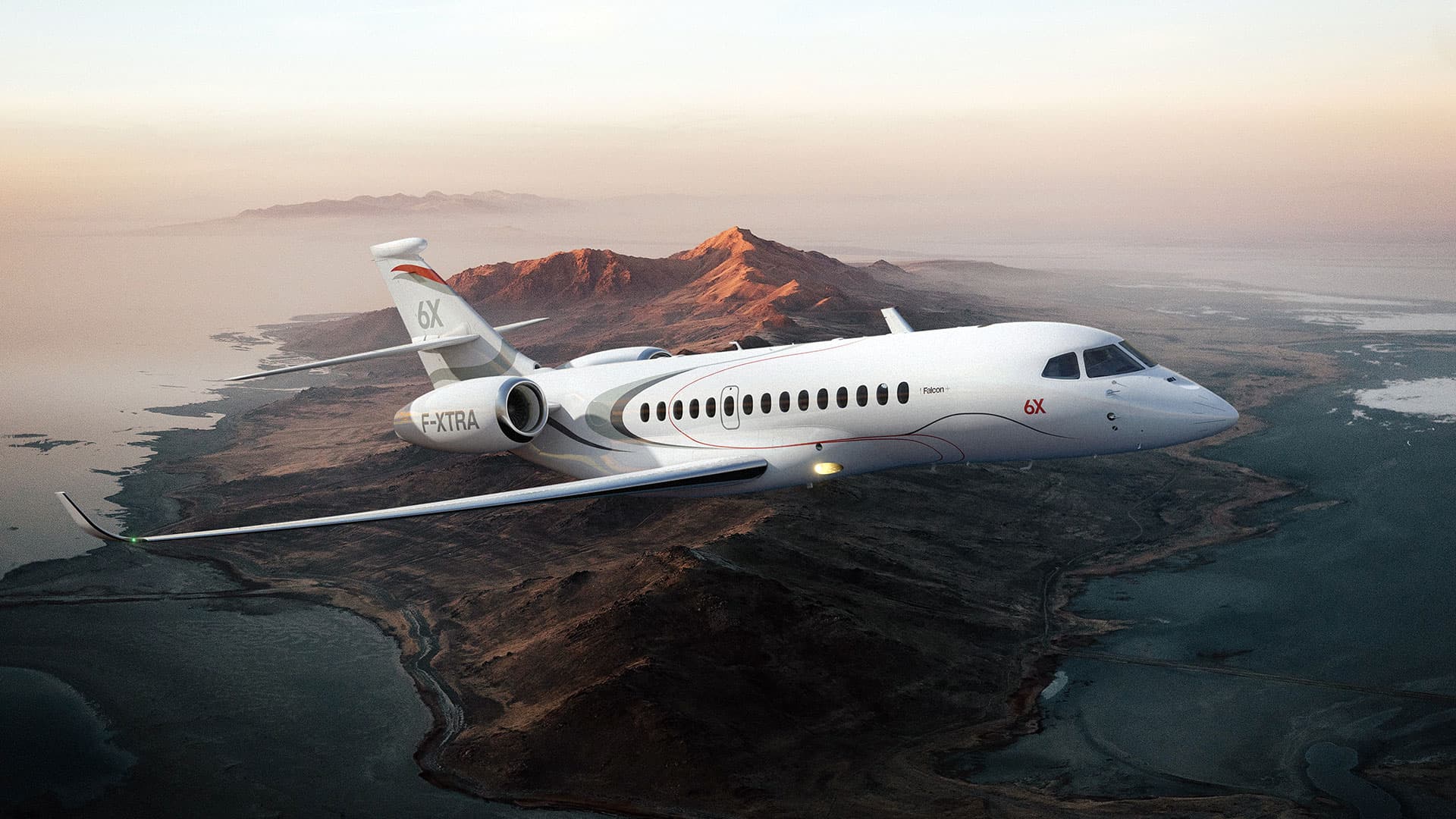
Dassault's current portfolio reflects a blend of tradition and forward-looking innovation. The Falcon 8X offers intercontinental range, unmatched cabin quietness, and extensive customization. The Falcon 6X, entered service in 2025, is the industry's first ultra-widebody business jet, featuring a cabin height of 6.5 feet and a width of 8.6 feet. The flagship Falcon 10X, in development for entry into service in 2027, is expected to redefine the ultra-long-range category with a 7,500-nautical-mile range and an interior rivalling top residences and yachts.
Every Falcon aircraft is a product of meticulous French craftsmanship. Dassault combines advanced digital design tools with artisanal expertise, ensuring aircraft meet the highest standards of performance and refinement. With a worldwide service network, Dassault ensures comprehensive support for its global customer base.
Aircraft Families
Falcon (in production)
4,000–7,500 nm · 8–19 paxCurrent production family. The Falcon 8X is a three-engine intercontinental jet known for cabin quietness; the Falcon 6X (EIS 2025) is the world's first ultra-widebody business jet with a 6.5 ft cabin height; the flagship Falcon 10X (targeted EIS 2027) will offer 7,500 nm range at Mach 0.925 with a cabin rivalling private residences.
Falcon Legacy (heritage fleet)
3,200–5,950 nm · 8–14 paxAircraft that established Dassault's reputation across four decades. The Falcon 50 introduced the three-engine layout; the 900 series became the flagship trijet; the 2000 brought twin-engine widebody economics; the 7X (2008) was the first fully fly-by-wire business jet. All remain widely operated in the global charter fleet.
History
Origins
Marcel Dassault founds the company in France, which would become a national symbol of aerospace engineering with both military fighters (Mirage, Rafale) and business jets.
The Falcon era begins
1963: Falcon 20 first flight — Dassault's first business jet, adopted worldwide including by FedEx as its inaugural cargo aircraft. 1973: Falcon 10 launches as a smaller, faster derivative for the light-jet segment.
Expansion of the trijets
1976: Falcon 50, a three-engine breakthrough offering intercontinental range and short-runway capability. 1984: Falcon 900, a larger trijet that became the company's flagship. 1986: Falcon 900B improves engines and avionics.
Modernisation
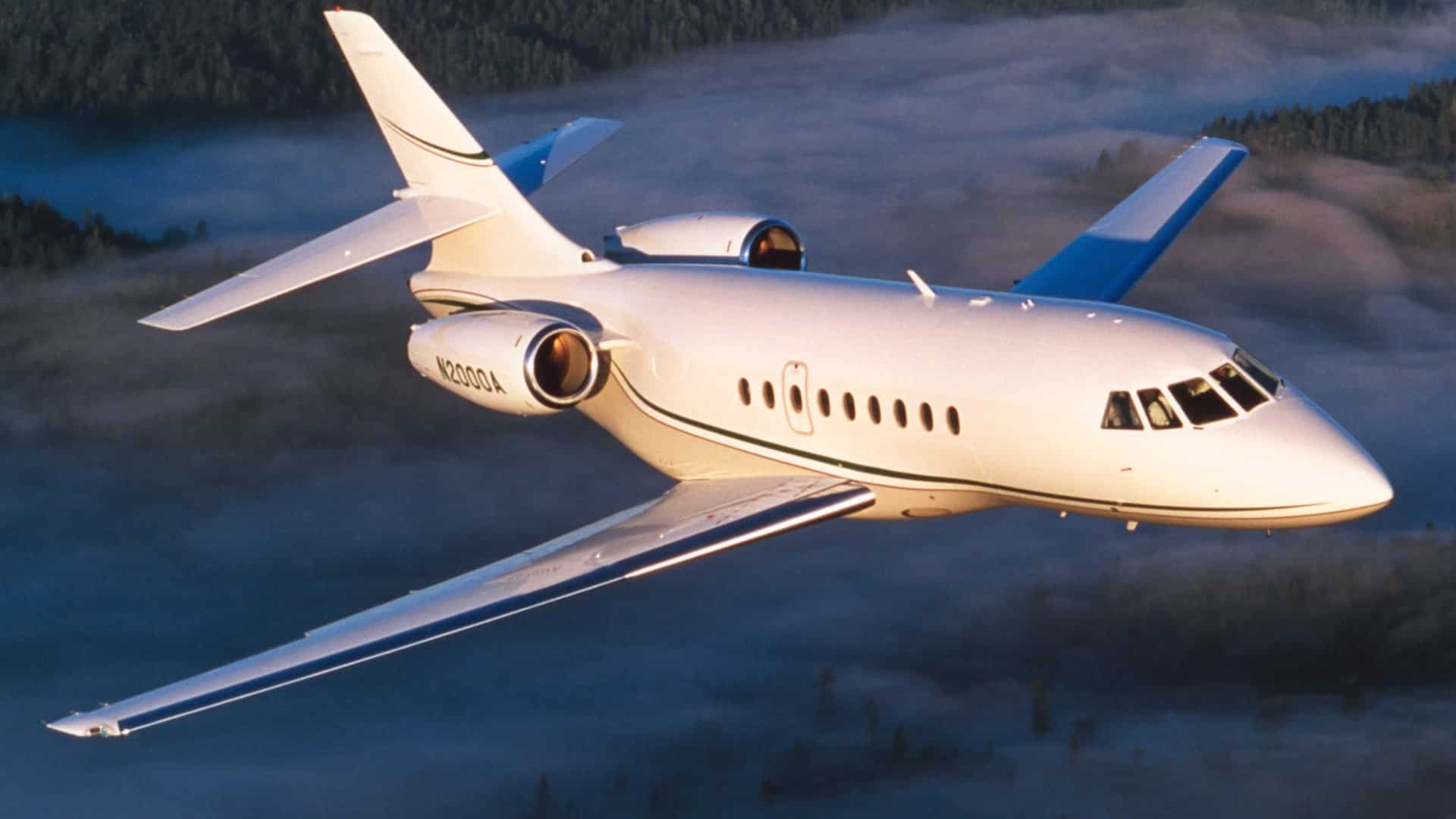
1993: Falcon 2000, a twin-engine widebody offering lower operating costs. 1995: Falcon 900EX extends range with upgraded engines. 1999: Falcon 50EX modernises the original trijet.
Technological leaps
2000: Falcon 2000EX. 2005: Falcon 900DX. 2007: Falcon 2000LX (winglets). 2008: Falcon 7X — the first fully fly-by-wire business jet, offering 5,950 nm range and Mirage/Rafale-derived digital flight controls.
Efficiency and cabin evolution
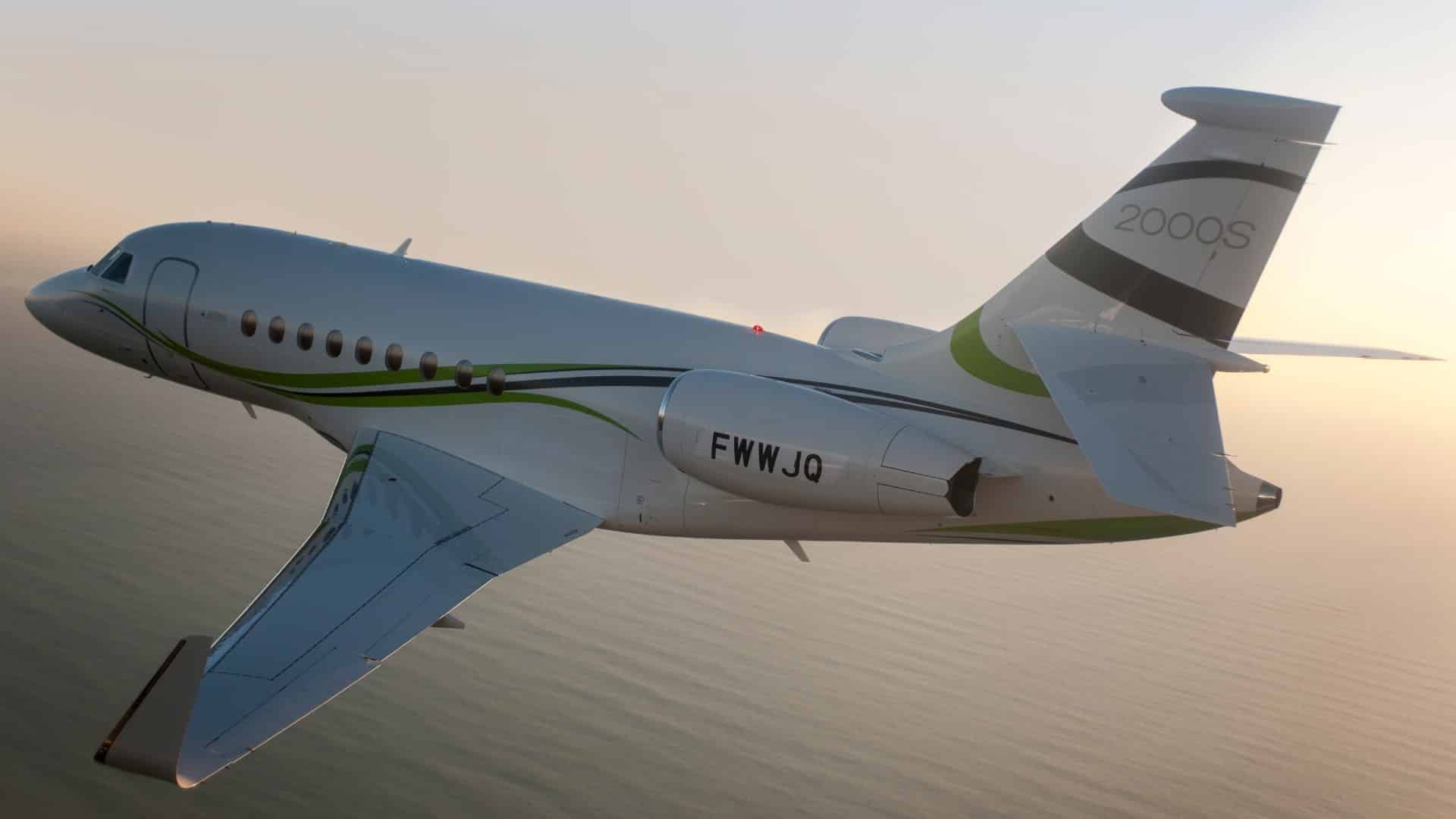
2010–11: Falcon 2000S and 2000LXS combine short-field performance with long-range capability. 2014: Falcon 8X stretches the 7X to 6,450 nm with a quieter cabin.
Ultra-widebody and ultra-long-range
2021: Falcon 6X rollout — the industry's first ultra-widebody business jet, entering service in 2025 with 5,500 nm range. 2021: Falcon 10X announced — Dassault's most ambitious jet, with 7,500 nm range, Mach 0.925, and a cabin designed to rival luxury residences. EIS targeted for 2027.
Charter Fleet
These Dassault Aviation aircraft are available for charter through JetFlo.
Dassault Falcon 100
Dassault Falcon 50
Dassault Falcon 50EX
Dassault Falcon 2000
Dassault Falcon 2000S
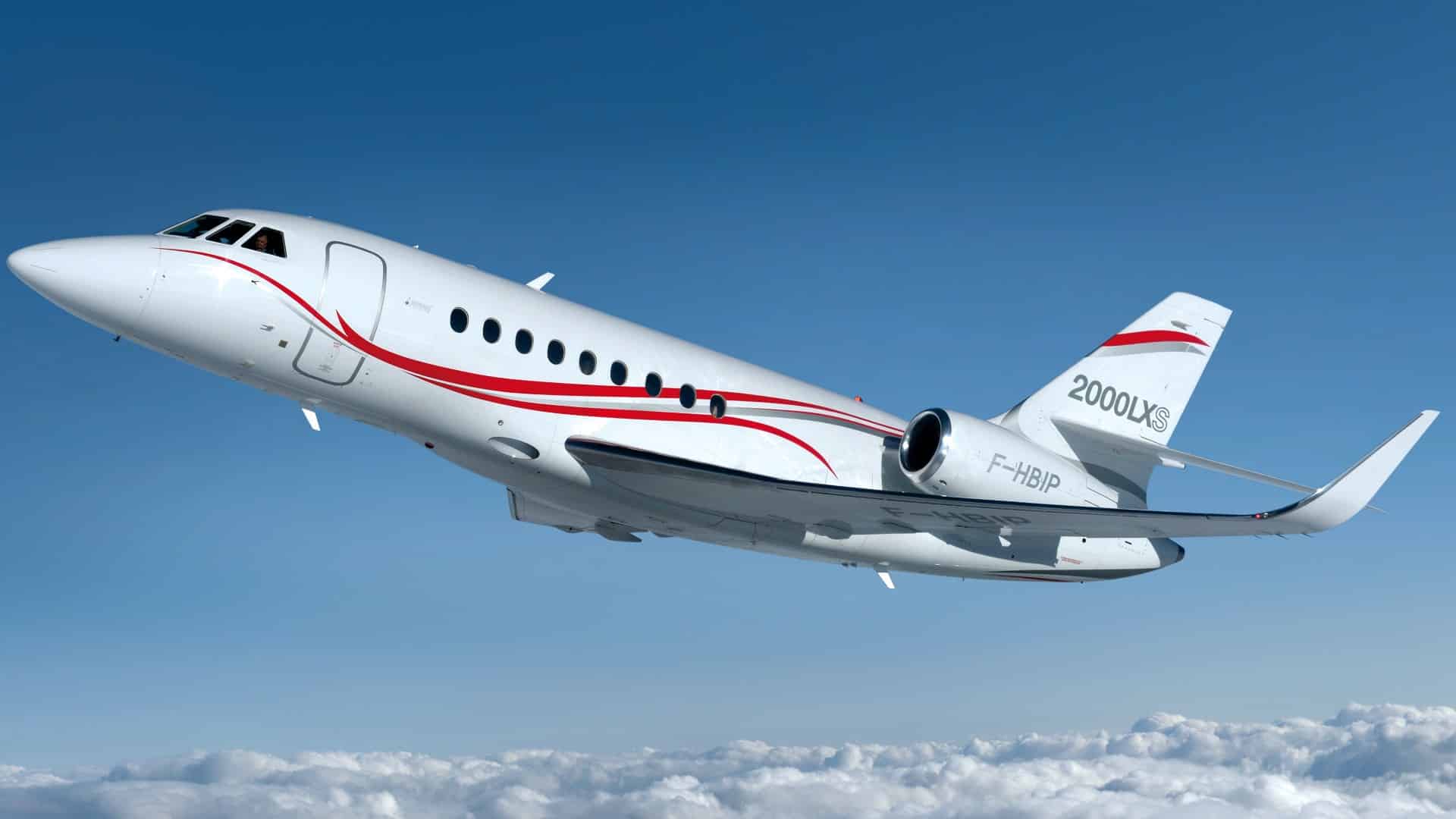
Dassault Falcon 2000LXS
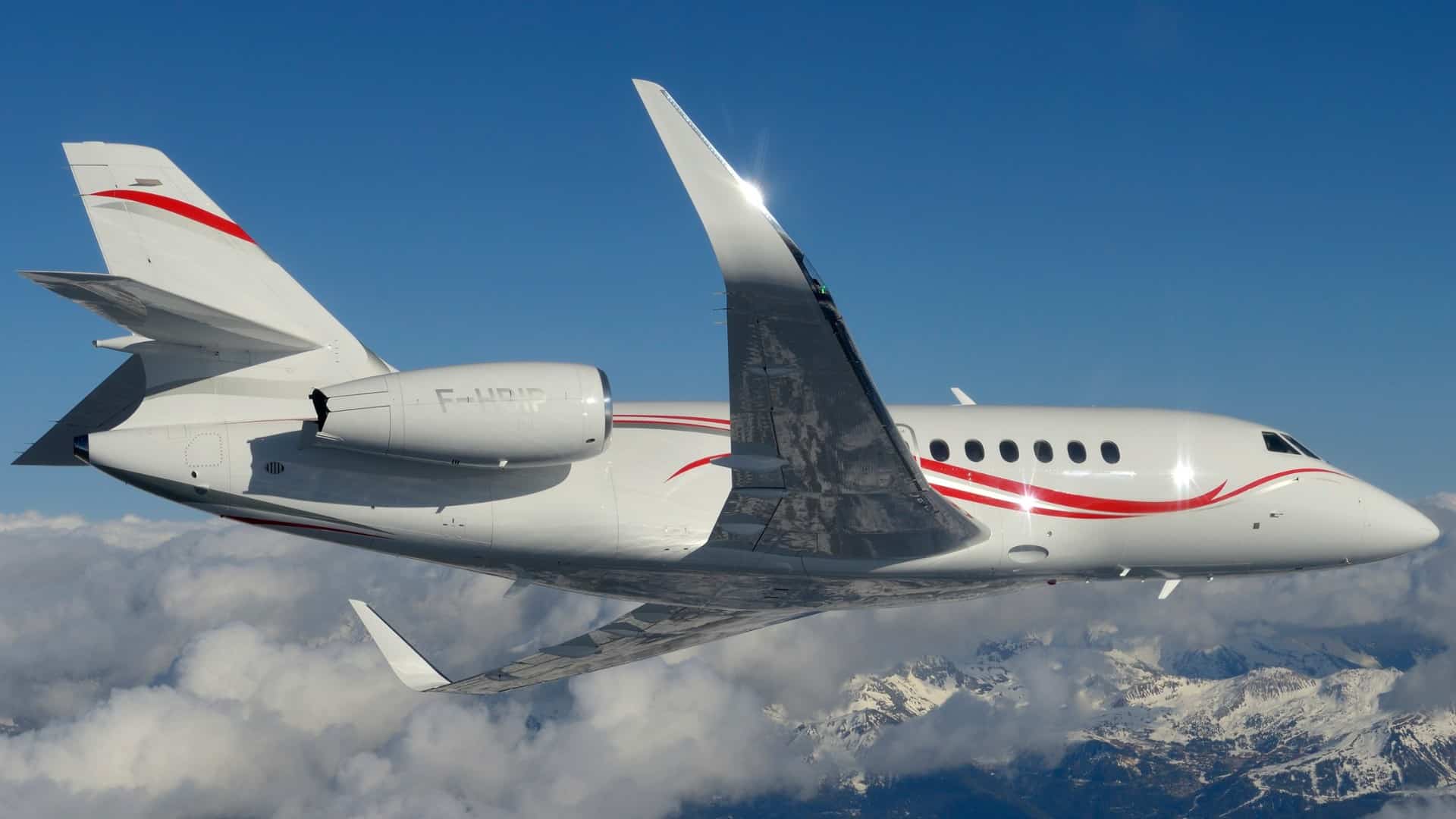
Dassault Falcon 2000LX
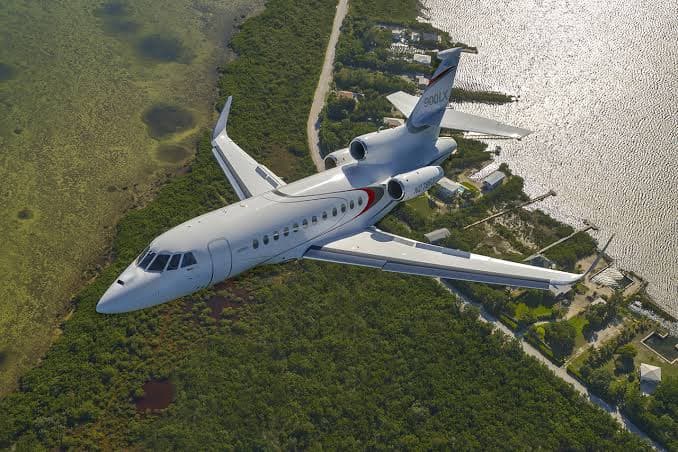
Dassault Falcon 900LX
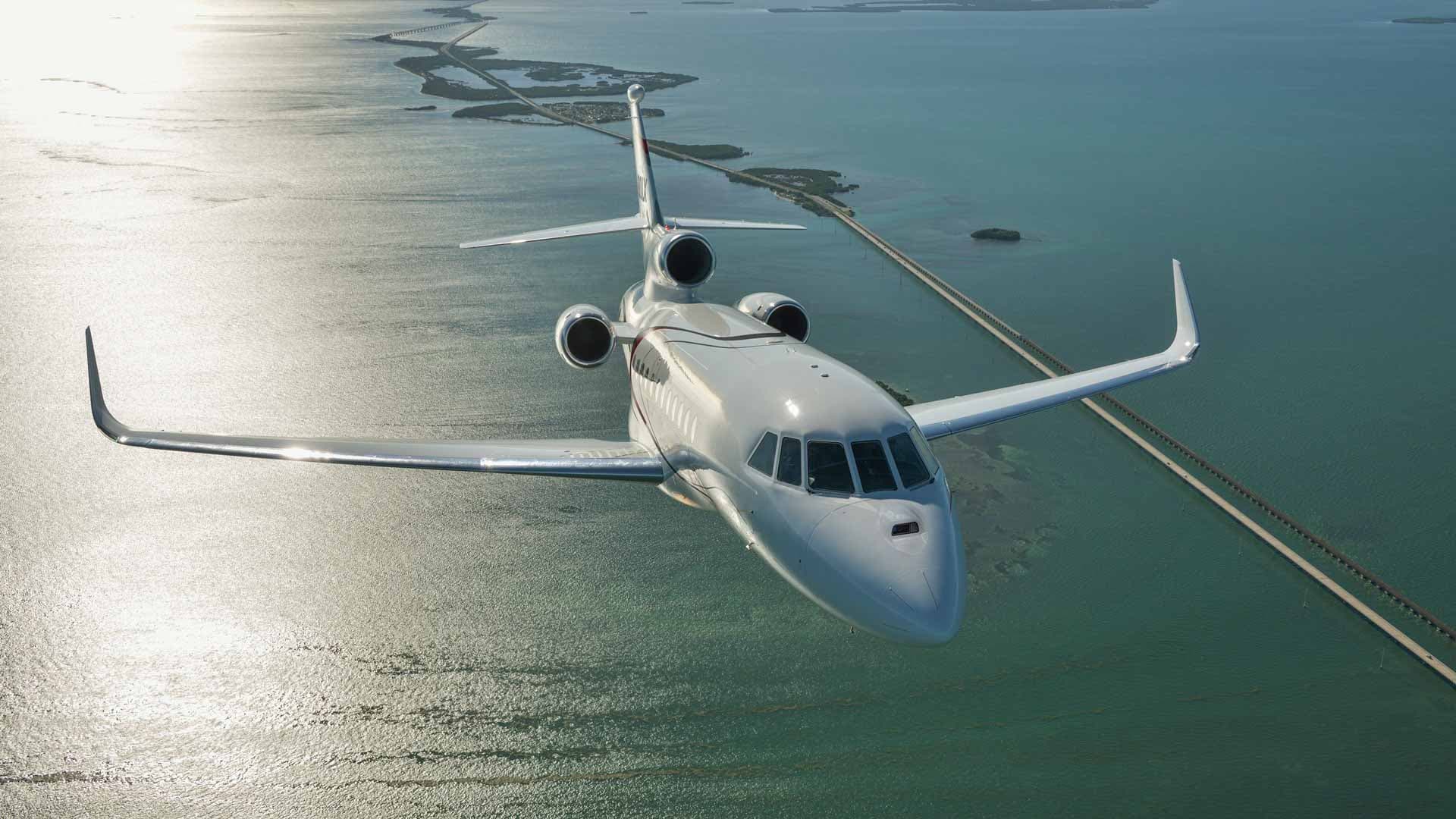
Dassault Falcon 900
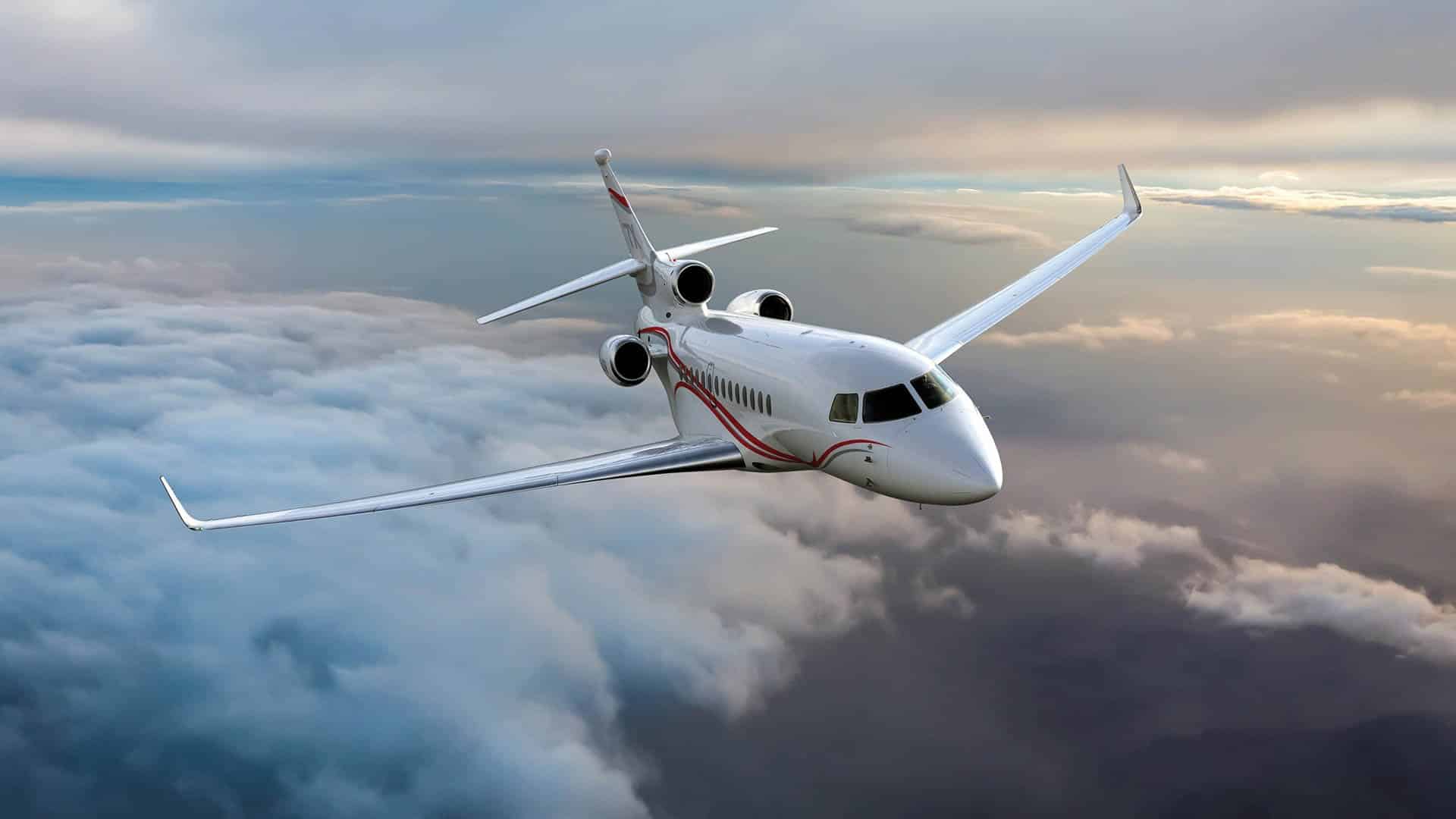
Dassault Falcon 7X
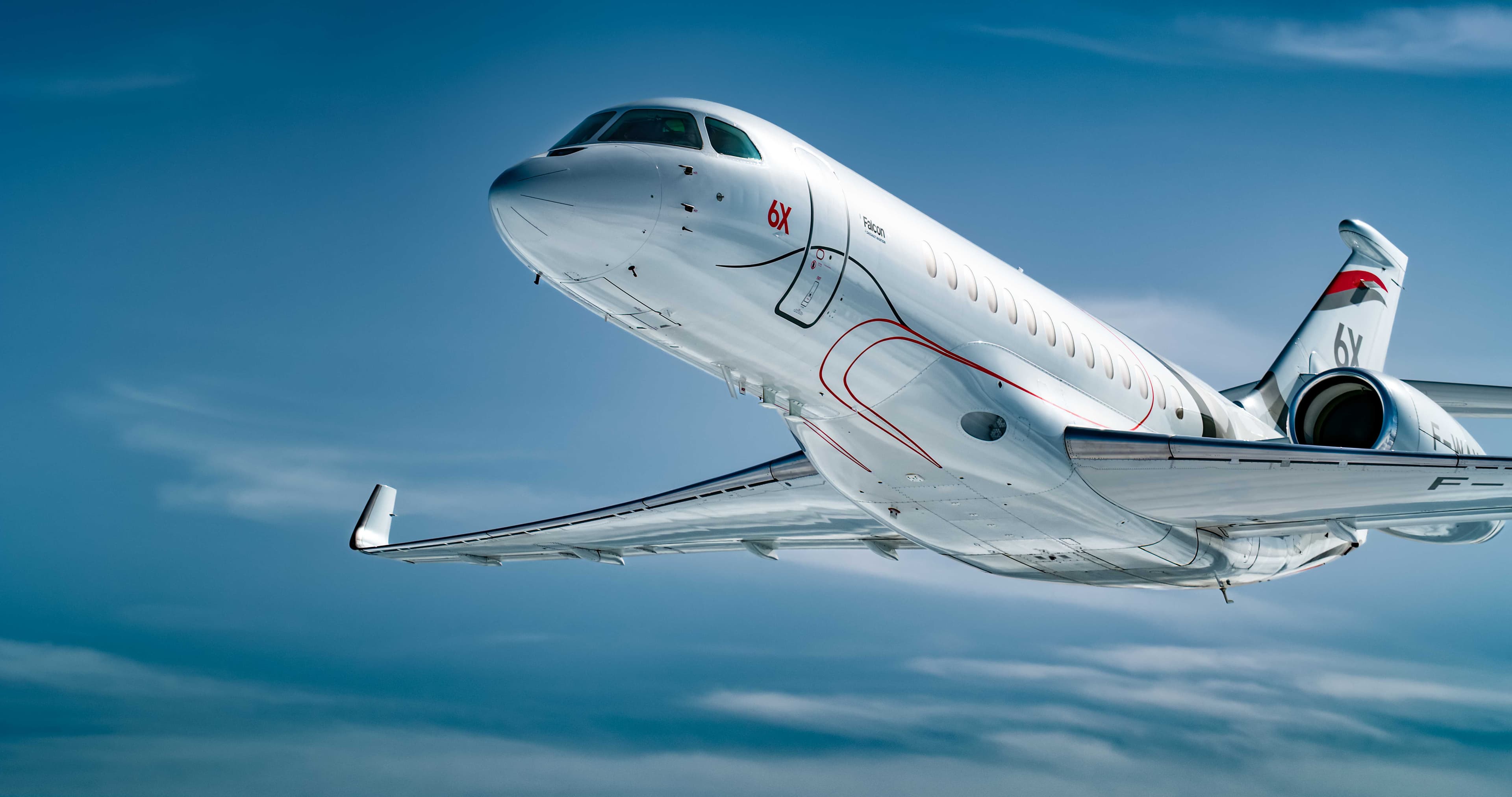
Dassault Falcon 6X
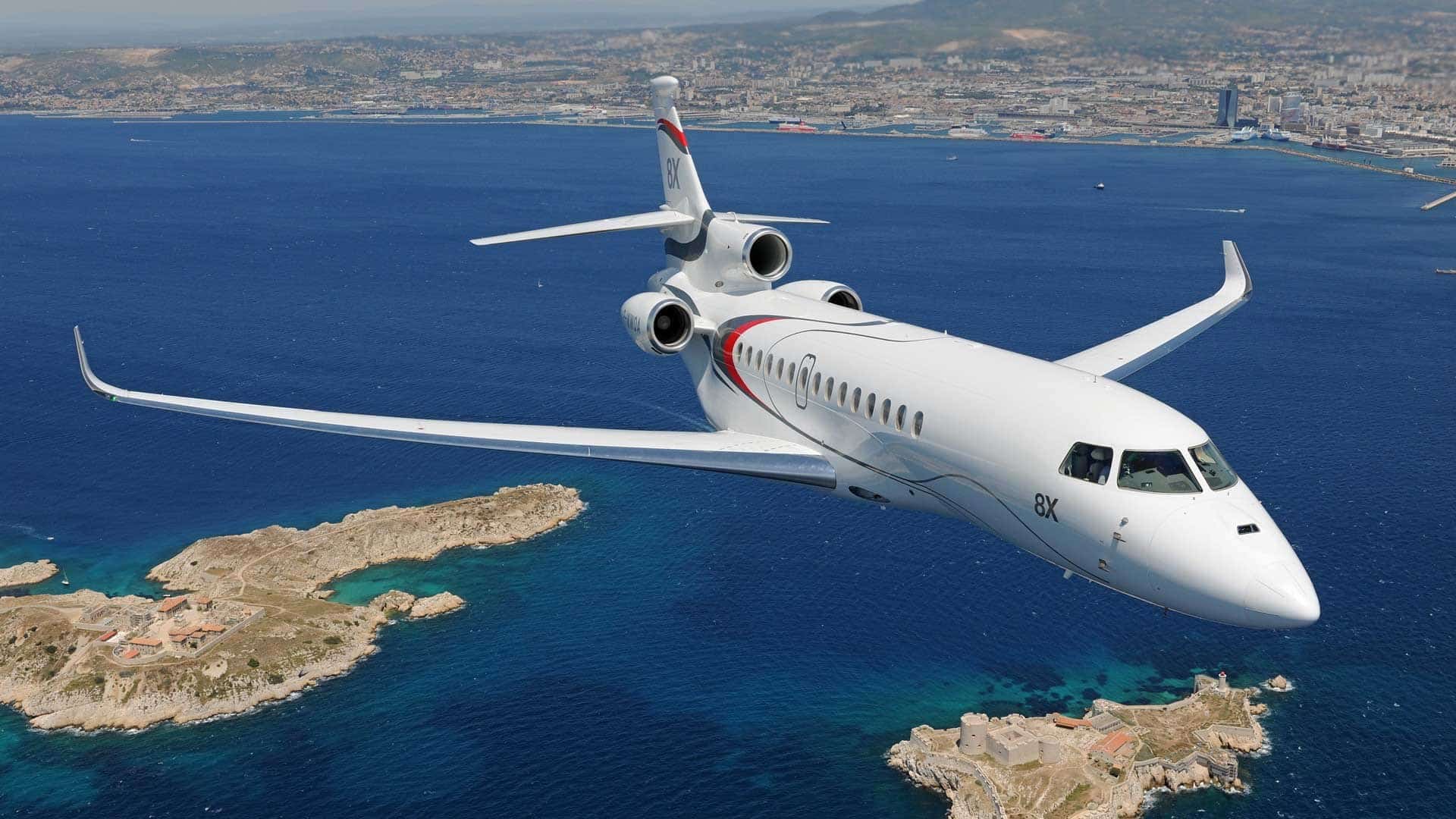
Dassault Falcon 8X
Dassault Falcon 10X
Charter a Dassault Aviation aircraft
Our team has deep expertise with this manufacturer.
Other Manufacturers
Gulfstream Aerospace
United States · The pinnacle of large-cabin, long-range business a
Cessna Citation
United States · The broadest range of business jets in the world
Bombardier
Canada · The world's leading business aviation company
Hawker
United Kingdom · British heritage, proven reliability
Embraer Executive Jets
Brazil · Innovation from Brazil to the world
Pilatus
Switzerland · Swiss precision. Unmatched versatility.
HondaJet
Japan · Honda Aircraft Company — designer of the HondaJet
Dornier
Germany · Legacy German manufacturer best known for the 328