
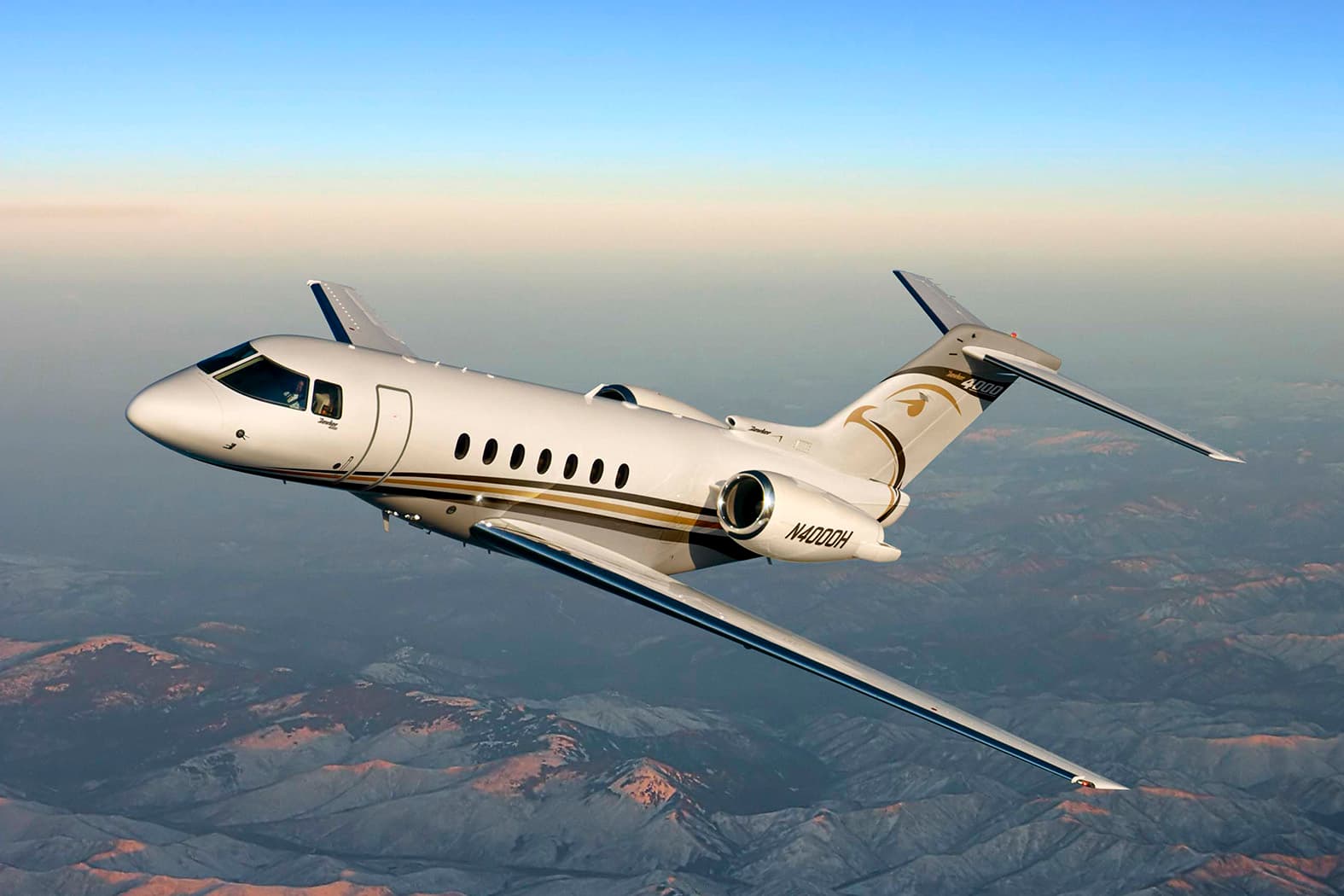
The Hawker business jet lineage is one of the most storied in private aviation. Originally developed in the United Kingdom by de Havilland in the 1960s, the aircraft that would become the "Hawker" was later produced under Hawker Siddeley, then British Aerospace (BAe), before being acquired by Raytheon in the 1990s. Under Raytheon and subsequently Hawker Beechcraft, the Hawker name grew into one of the best-known midsize business jet families in the world.
The first model, the de Havilland DH.125 Jet Dragon, made its maiden flight in 1962. It was a small twinjet designed for efficiency and comfort, tailored to a growing market of executives seeking fast, flexible transport. After de Havilland's acquisition by Hawker Siddeley, the aircraft became known as the HS.125, and quickly gained popularity in both corporate and military service.
Over the decades, the jet was progressively updated with new avionics, engines, and interiors, eventually evolving into the Hawker 700, 800, and 1000 series, which became synonymous with midsize corporate aviation. These aircraft were widely used by corporations, charter operators, and governments worldwide due to their reliability, spacious cabins, and ability to operate into shorter runways than many competitors.
In the 2000s, Hawker Beechcraft modernized the lineup with the Hawker 750, 850XP, and 900XP, offering improved performance, extended range, and cabin refinements. The Hawker 4000, a super-midsize jet with composite fuselage technology, was launched as the most advanced Hawker ever built. Despite technological innovation, financial difficulties led Hawker Beechcraft into bankruptcy in 2012, after which Textron Aviation took over, discontinuing the Hawker line to focus on Beechcraft King Air turboprops and Cessna Citation jets.
Though no longer in production, thousands of Hawker jets remain in service globally, supported by Textron Aviation's maintenance network. Their enduring reputation for comfort, efficiency, and reliability has secured Hawker's place in business aviation history.
Aircraft Families
Hawker Light
1,500 nm · 7–8 paxOriginally the Beechjet 400, integrated into the Hawker line after Raytheon's acquisition of Beechcraft. A reliable light jet with a quiet cabin and good short-field performance, widely operated in charter fleets.
Hawker Midsize
2,100–2,930 nm · 8–9 paxThe midsize family that defined the brand. The 800XP became one of the best-selling midsize jets ever; the 850XP added winglets for extended range; the 900XP marked the flagship of the midsize Hawker line.
Hawker Super-midsize
3,280 nm · 8–10 paxThe most technologically advanced Hawker ever produced — composite fuselage construction, large cabin, intercontinental range. Limited production numbers due to the manufacturer's economic challenges, but those in service remain a notable competitor in the super-midsize charter market.
History
Birth of the DH.125
1962: de Havilland DH.125 first flight (later renamed HS.125). 1964: HS.125 enters service. Through the 1970s, BAe 125 Series 400/600 variants bring upgraded avionics, more powerful engines and improved range.
Expansion and growth
1981: BAe 125-700 (Hawker 700) introduces Pratt & Whitney engines and extended range. 1983: BAe 125-800 (Hawker 800) is a major redesign with increased fuel capacity and new avionics. 1989: BAe 125-1000 (Hawker 1000) stretches the platform for intercontinental range.
Raytheon era
1993: Raytheon acquires BAe's business jet line and rebrands as Hawker. 1995: Hawker 800XP introduced — one of the best-selling midsize jets in history. 1996: Hawker 400XP integrated into the line after Raytheon acquires Beechcraft.
Modernisation and the 4000
2006: Hawker 850XP brings winglets and extended range. 2007: Hawker 750 offers a shorter-range, lower-cost option with a spacious cabin. 2007: Hawker 900XP becomes the flagship midsize. 2008: Hawker 4000 launches with composite fuselage construction — the most advanced Hawker ever, though produced in limited numbers.
End of production
2012: Hawker Beechcraft files for bankruptcy, halting Hawker jet production. 2014: Textron Aviation acquires the assets and discontinues new Hawker jets, continuing aftermarket support. Thousands of Hawker jets remain in service globally.
Charter Fleet
These Hawker aircraft are available for charter through JetFlo.
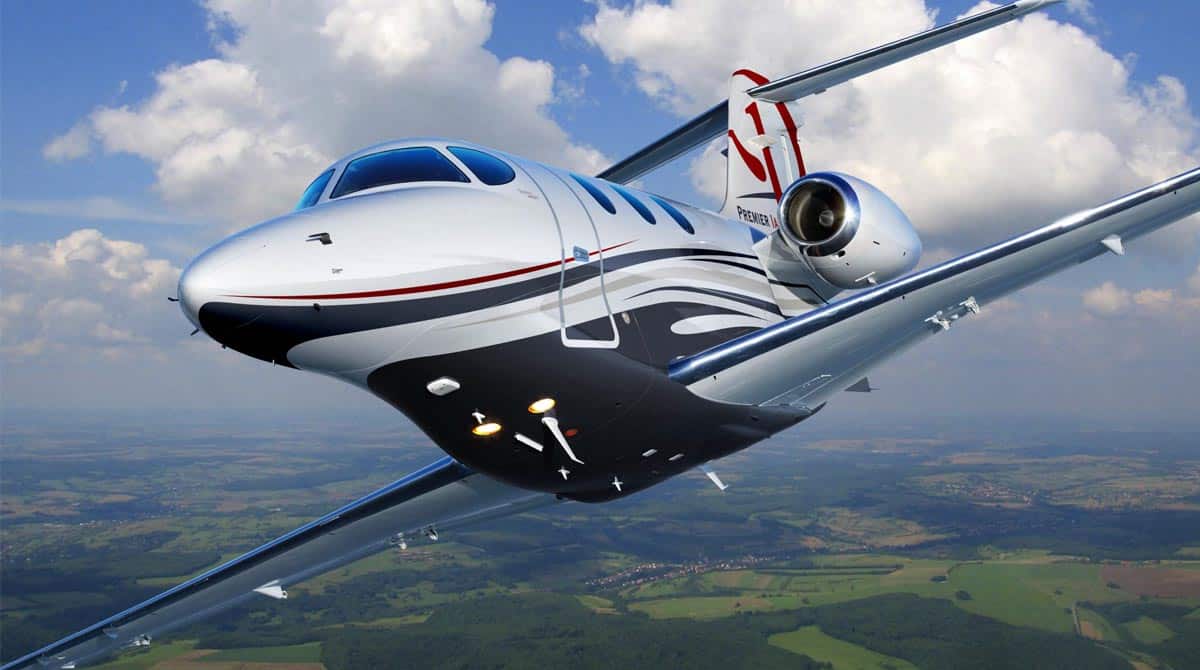
Beechcraft Premier 1A
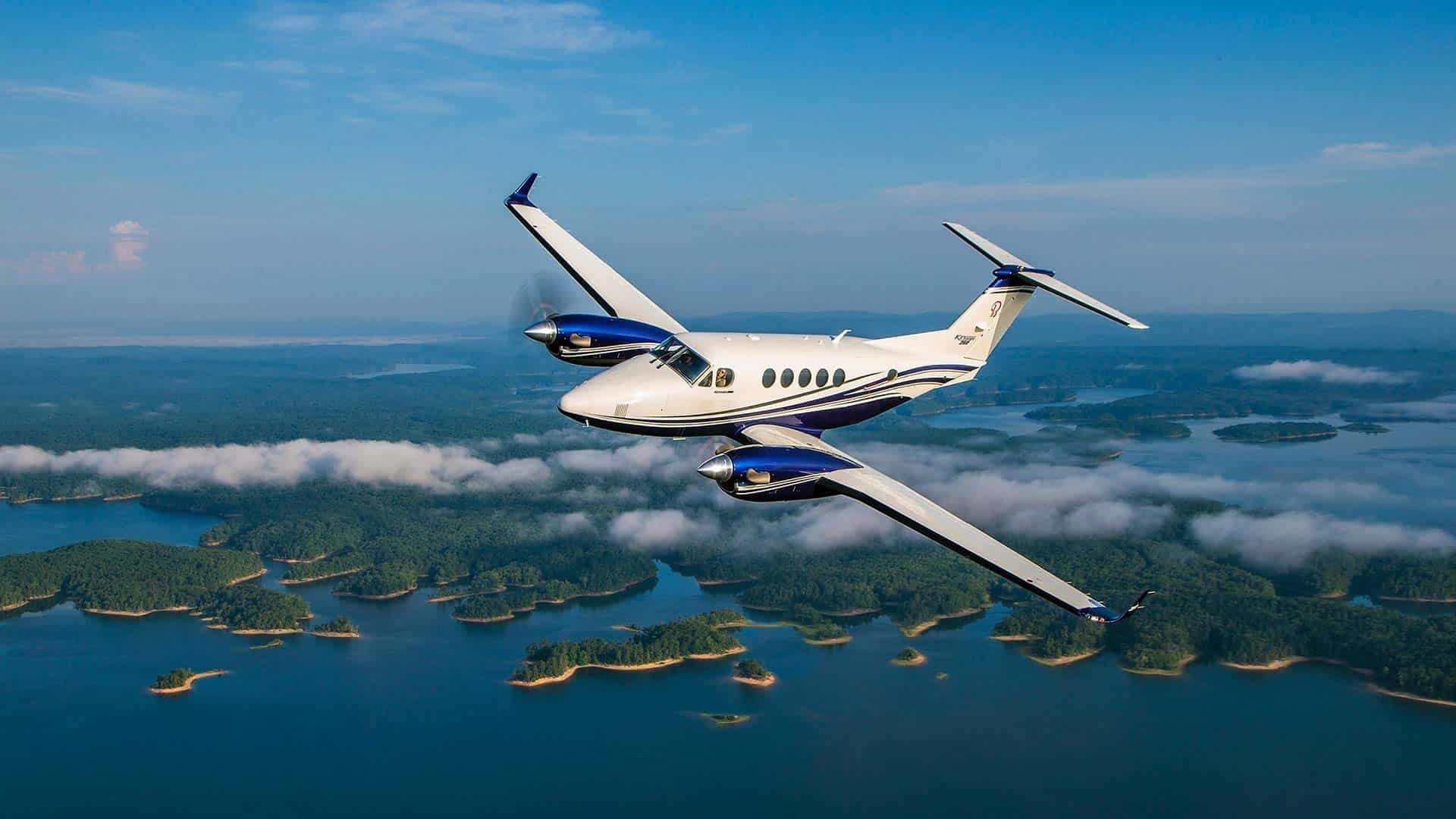
Beechcraft King Air 200
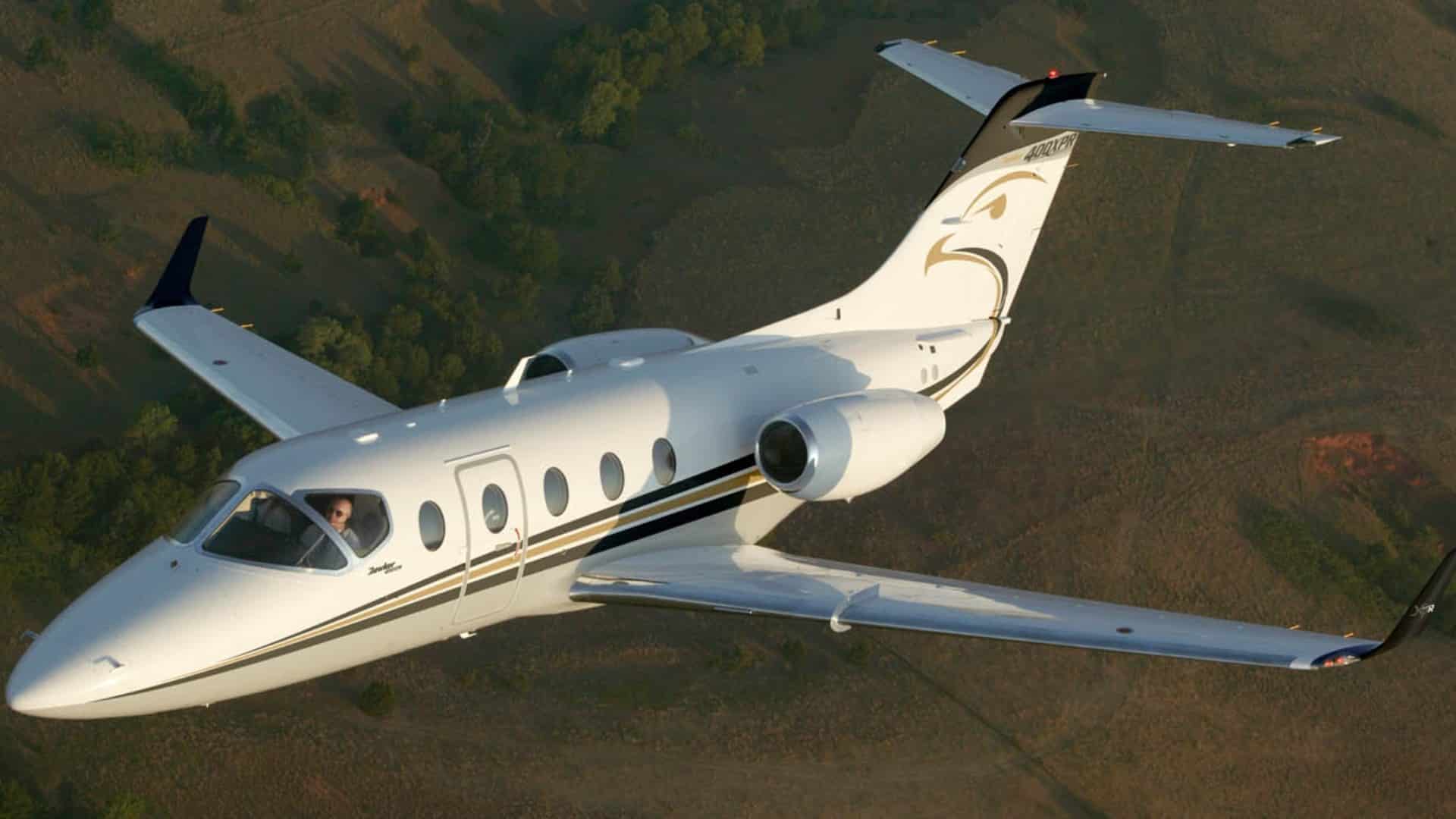
Beechcraft Hawker 400/XP
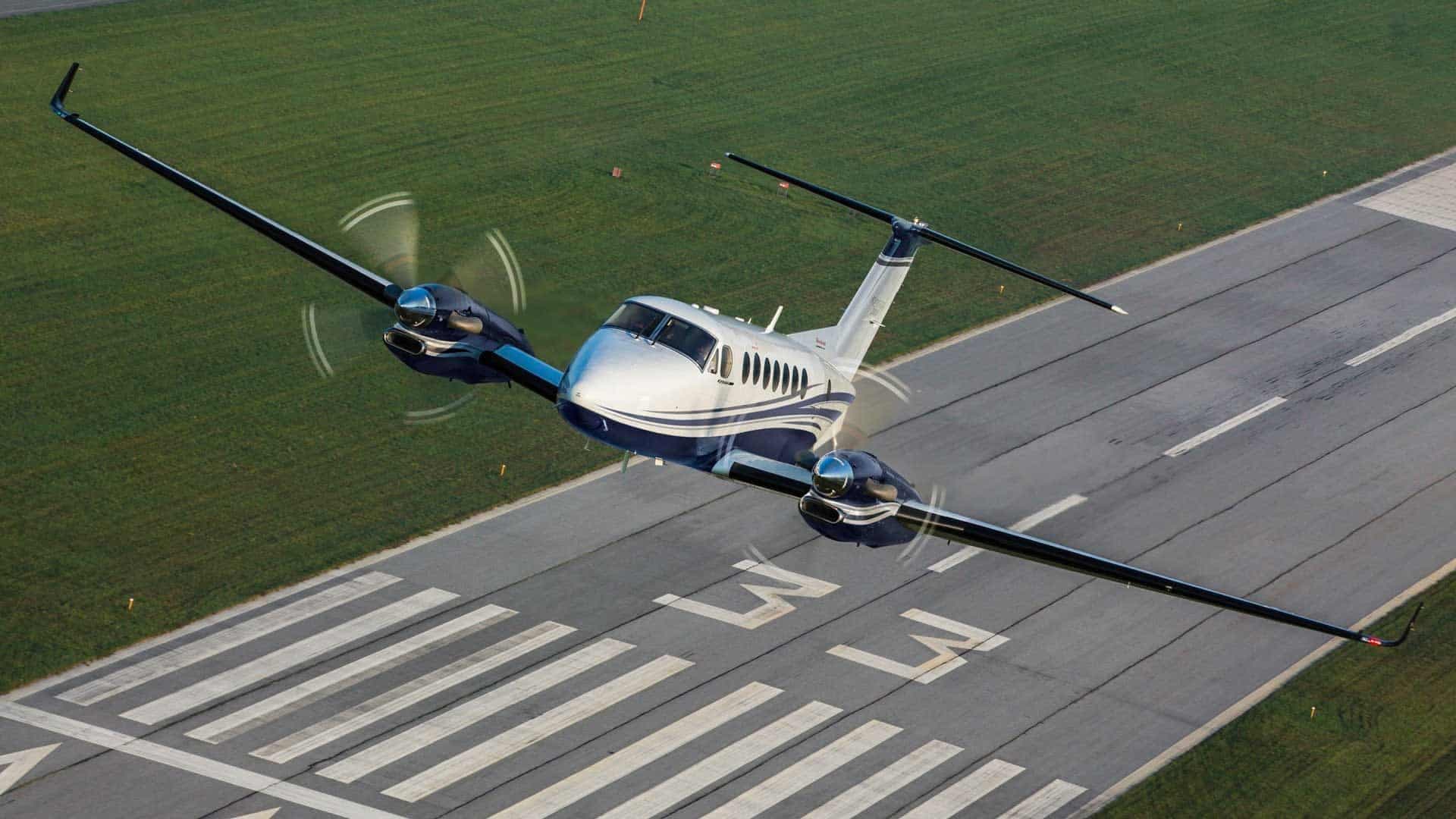
Beechcraft King Air 350i
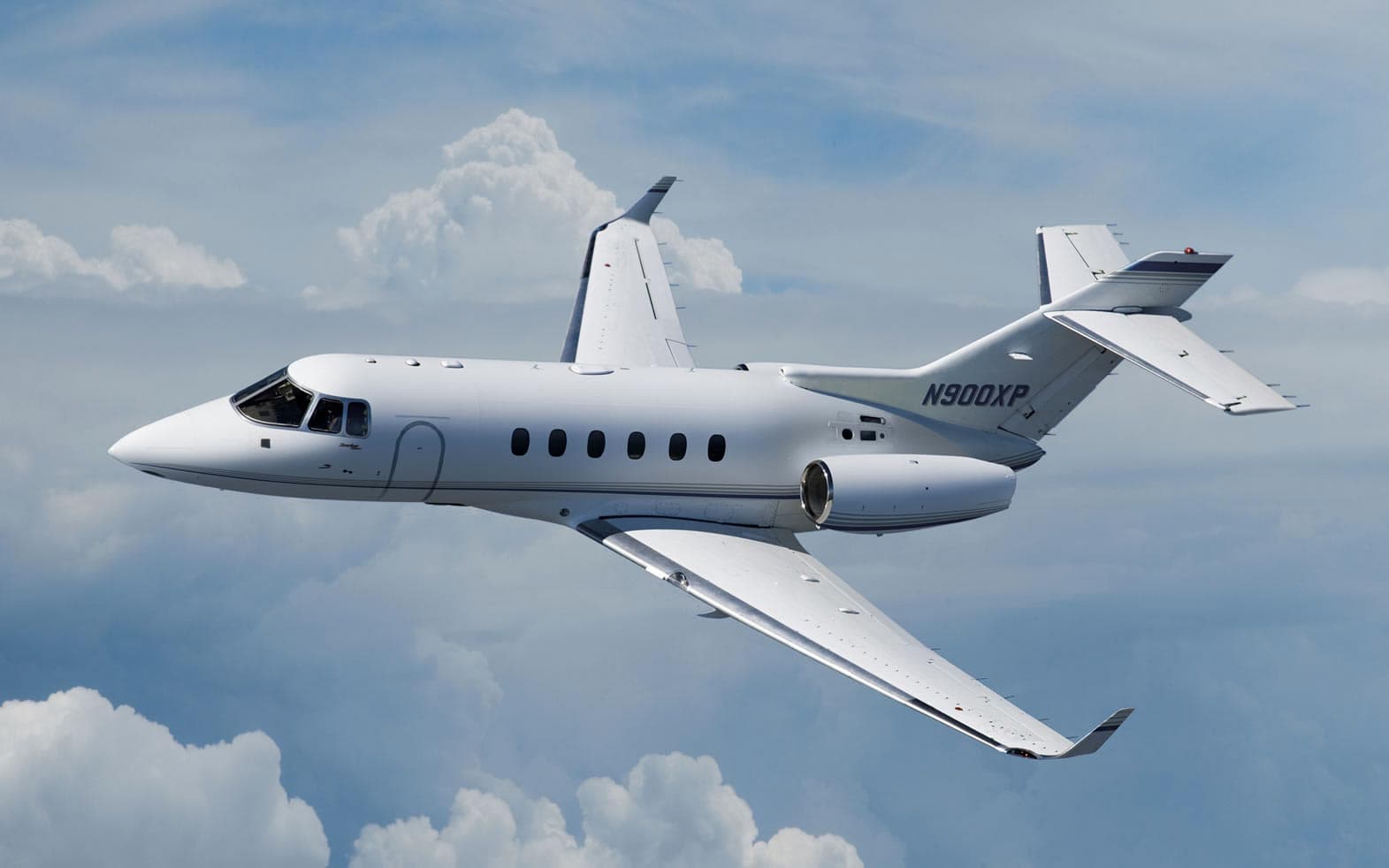
Beechcraft Hawker 800XP
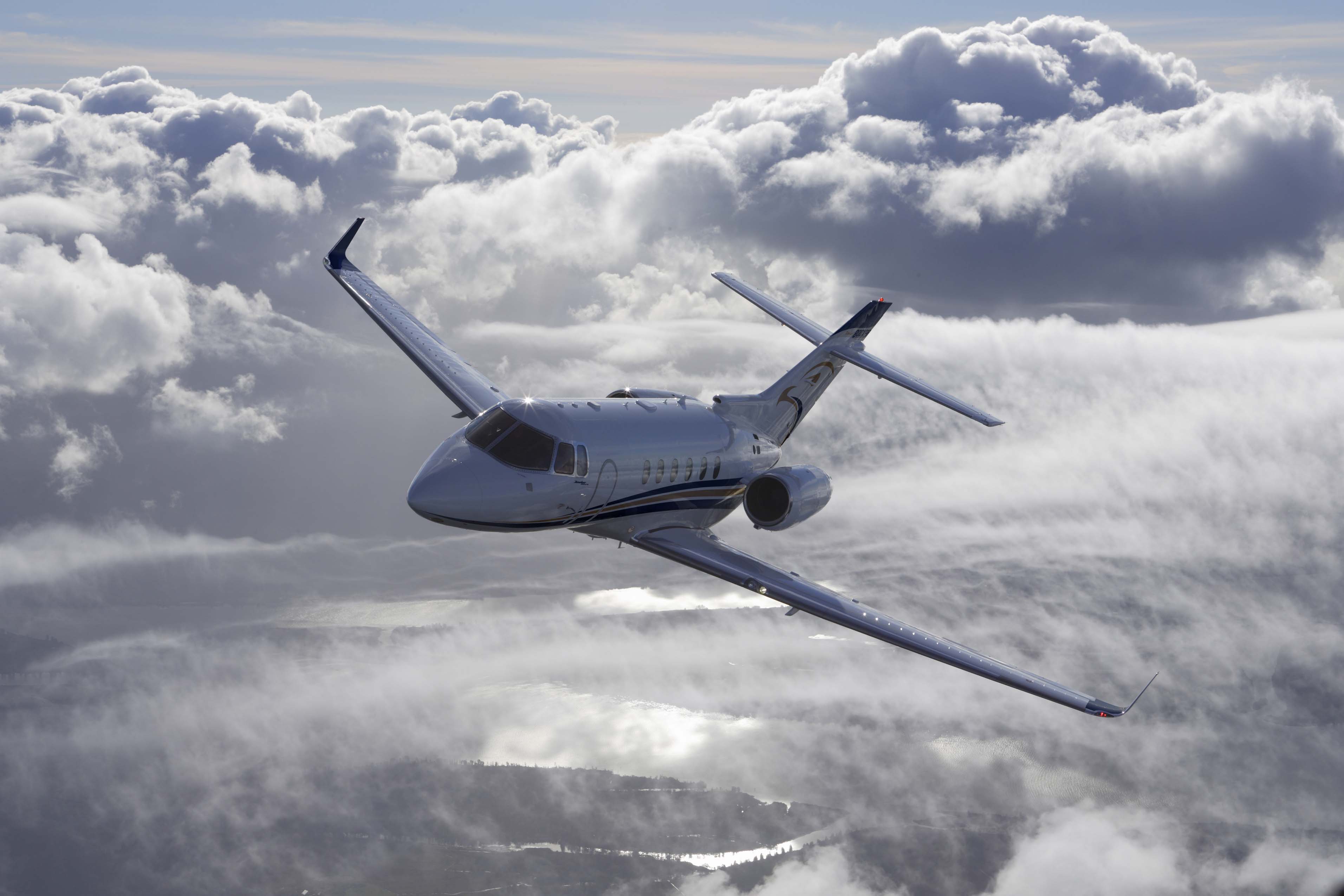
Beechcraft Hawker 850 XP
Charter a Hawker aircraft
Our team has deep expertise with this manufacturer.
Other Manufacturers
Dassault Aviation
France · French excellence in military and civil aviation
Gulfstream Aerospace
United States · The pinnacle of large-cabin, long-range business a
Cessna Citation
United States · The broadest range of business jets in the world
Bombardier
Canada · The world's leading business aviation company
Embraer Executive Jets
Brazil · Innovation from Brazil to the world
Pilatus
Switzerland · Swiss precision. Unmatched versatility.
HondaJet
Japan · Honda Aircraft Company — designer of the HondaJet
Dornier
Germany · Legacy German manufacturer best known for the 328