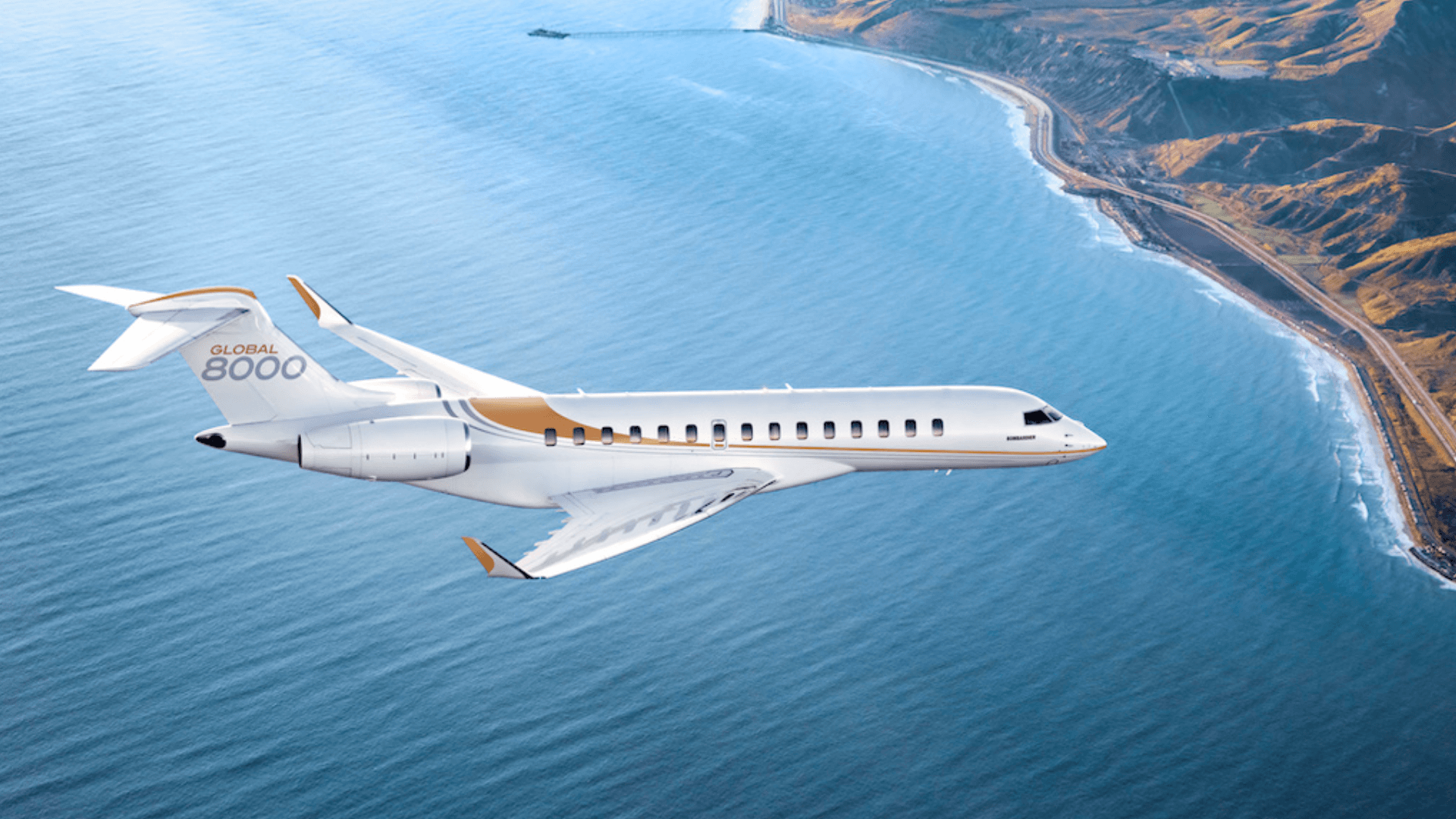
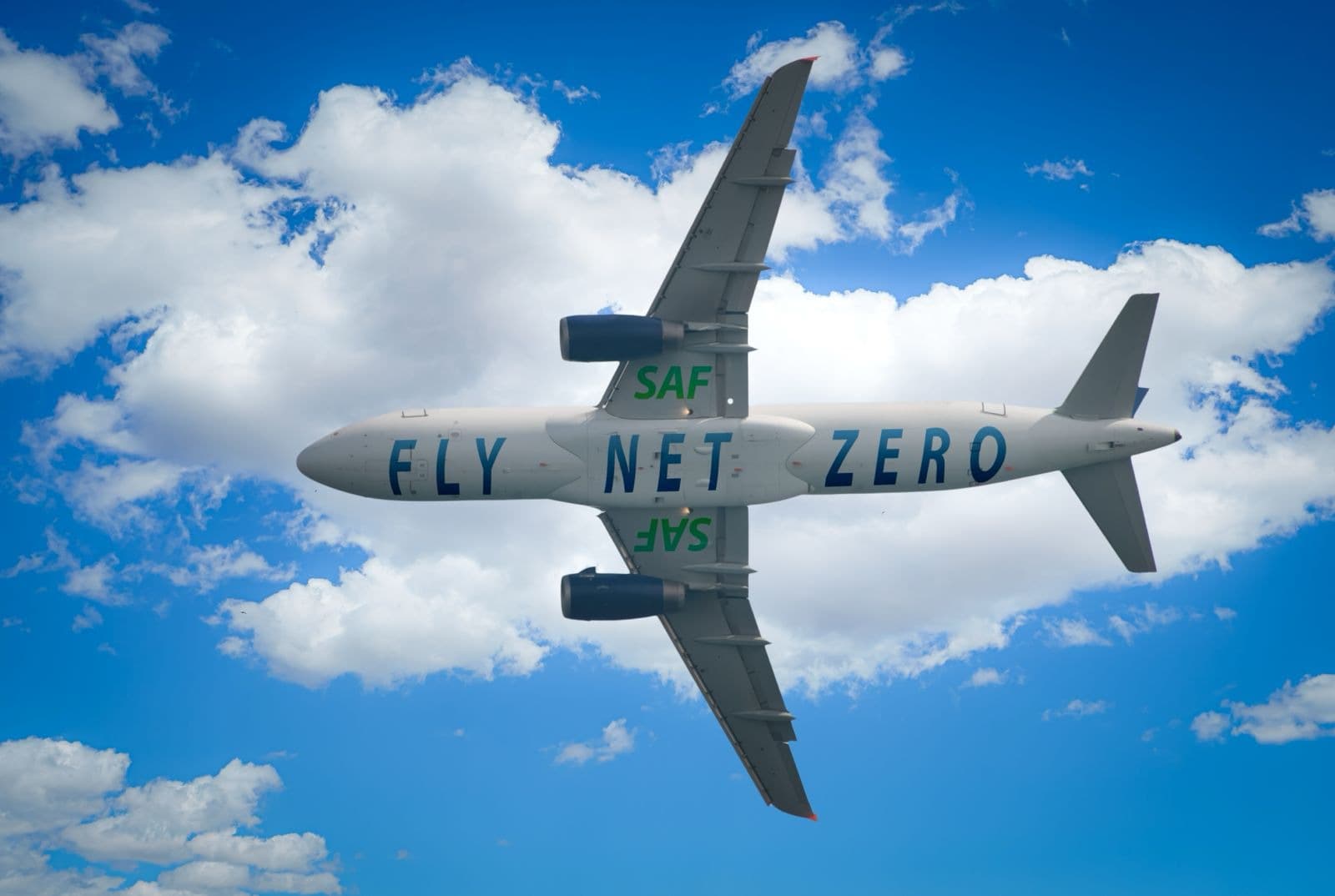
With just over 26 years to reach our industry’s goal of net-zero carbon emissions, and with demand for aviation expected to more than double over the same period, the time to accelerate initiatives for sustainable aviation is now.
Following our interview with Bombardier Senior Director of communication during the latest Dubai Airshow, it is clear that the industry is multiplying its initiatives to meet the ambitious target of carbon neutrality by 2050.
https://www.youtube.com/watch?v=9nTbyamXUoY
Like in the automotive industry, the aviation industry recognizes that there is not one solution. Therefore, it is very exciting to see the multiplication of projects and initiatives aimed at reducing the industries carbon footprint.
JetFlo, who aims to be the leader in innovative solutions, is happy to present this short summary of the latest and most promising initiatives.
1) Sustainable Aviation Fuel (SAF)
In relation to carbon emission and fuel efficiency, the spotlight is on the engine manufacturers. All engine manufacturers agree that to enable the next “big step” in efficiency, more advanced aircraft propulsion technologies will take time to develop and deploy at scale. This is why SAF is so critical for reaching the net-zero goal. SAF is an eco-friendly jet fuel made from renewable feedstocks, such as woody biomass, waste oils and agricultural residues. Using SAF can reduce carbon emissions by up to 80% over the lifecycle of the fuel compared to traditional jet fuel, meaning as a “drop in” solution, SAF is currently the most effective alternative on the market.
As mentioned in the interview; all of Bombardier’s demo fleet is now fuelled using blended SAF. In addition, Gulfstream recently announced the completion of a first transatlantic flight powered 100% on SAF, showcasing the fact that most of today’s engines are capable of using SAF.
https://www.ainonline.com/aviation-news/business-aviation/2023-11-20/gulfstream-completes-first-transatlantic-flight-100-saf
Unfortunately, SAF supply is well short of what the industry needs, but momentum is building behind airline demand, energy companies and government policy, which could improve incentives for financing the required investments in production infrastructure.
Recently the UK government took a strong step by issuing a mandate to use 10% of SAF by 2030 on all flights in the UK. To support this ambition, the UK government announced on November 17th a £53M fund to support 9 pioneering projects to increase SAF production capacities.
https://www.gov.uk/government/news/uk-saf-industry-goes-from-forest-waste-to-new-heights-with-53-million-boost
With the development of book and claim solutions, private jet users can already purchase SAF for their flights. The book-and-claim model allows operators or clients to buy SAF certificates without being geographically tied to the supply, which is still today limited.
2) Manufacturer’s initiatives
In addition to the use of SAF, a lot of aircraft manufacturers are looking into the future and developing new tools and technology to help achieve the 2050 zero emission target. This can include changes to the design of aircraft to make them more efficient, for example, improving the efficiency of engines, designing more aerodynamic aircraft and the use of advanced lightweight materials to reduce the weight of aircraft. Outside of aircraft design, investments are also directed towards enhancing flight planning tools to ensure flights are conducted wit