October 15, 2026

Von Florent Sériès · Founder & CEO
Aktualisiert am 3. Aug. 2026
Private jet charter is the most flexible way to fly privately: you pay for a single flight, on an aircraft matched to that specific trip, with no ownership, membership or long-term commitment. This guide explains how chartering actually works — how prices are built, how to choose an aircraft, how operators are vetted, and how to avoid the common mistakes first-time charterers make.
It is written from the perspective of a charter broker. JetFlo is an independent, IATA-certified brokerage based in Geneva, which means we don't own aircraft — we source them from a vetted global network on behalf of our clients. That independence shapes much of the advice below.
Chartering means renting an entire aircraft, with crew, for a specific itinerary. Unlike scheduled airlines, there is no timetable: the aircraft flies when you want, from the airport you choose, direct to your destination wherever practical.
Charter sits at one end of a spectrum of private aviation access models. At the other end are full ownership, fractional ownership and jet card programmes, all of which involve upfront commitment. Charter is the pay-as-you-fly option: it suits anyone flying up to roughly 100–150 hours per year, anyone whose routes vary, and anyone who values choosing the right aircraft per trip rather than being tied to one type. (For a detailed comparison of the models, see our companion guide, Private Jet Charter vs. Fractional Ownership vs. Jet Cards.)
Every charter flight is performed by an operator — a company holding an Air Operator Certificate (AOC) that owns or manages aircraft and employs the crews. You can book directly with an operator, but you'll only ever be offered that operator's fleet.
A charter broker sits between you and the market. Brokers hold no aircraft, which means they can query the entire market — in JetFlo's case, access to more than 5,000 aircraft worldwide — and put operators in competition for your itinerary. A good broker earns their fee through market access, price negotiation, operational oversight and contingency management (recovery aircraft when something goes technical, for example).
The honest trade-off: brokers charge a brokerage fee. At JetFlo this is disclosed upfront in every quote, because a fee you can see is the only kind you can evaluate. When comparing quotes from different sources, always compare the total contracted price, not the headline hourly rate.
The single biggest driver of charter cost is aircraft category. Chartering lets you re-choose the category for every trip — a light jet for Geneva–Nice on Tuesday, a heavy jet for the family trip to Dubai next month. The categories, broadly:
| Category | Typical passengers | Practical nonstop range | Typical hourly rate (EUR) |
|---|---|---|---|
| Turboprops | 4–8 | Up to ~4 hours | €2,500–3,500 |
| Very Light Jets | 4–5 | Up to ~3 hours | €3,000–4,000 |
| Light Jets | 6–8 | Up to ~4 hours | €3,500–5,000 |
| Midsize Jets | 7–9 | Up to ~5 hours | €5,000–7,000 |
| Super Midsize | 8–10 | Up to ~7 hours | €6,500–9,000 |
| Heavy Jets | 10–16 | Up to ~10–12 hours | €9,000–13,000 |
| Ultra Long Range | 12–19 | Up to ~17 hours | €12,000–16,000 |
| Helicopters | 4–12 | Up to ~3 hours | Quoted per mission |
Hourly rates are indicative and vary with aircraft age, positioning and season — treat them as orientation, not quotes.
Turboprops (Pilatus PC-12, King Air series) are the value workhorses of short-haul Europe. They're slower than jets but can use very short runways — which is why they dominate routes into Alpine airports.
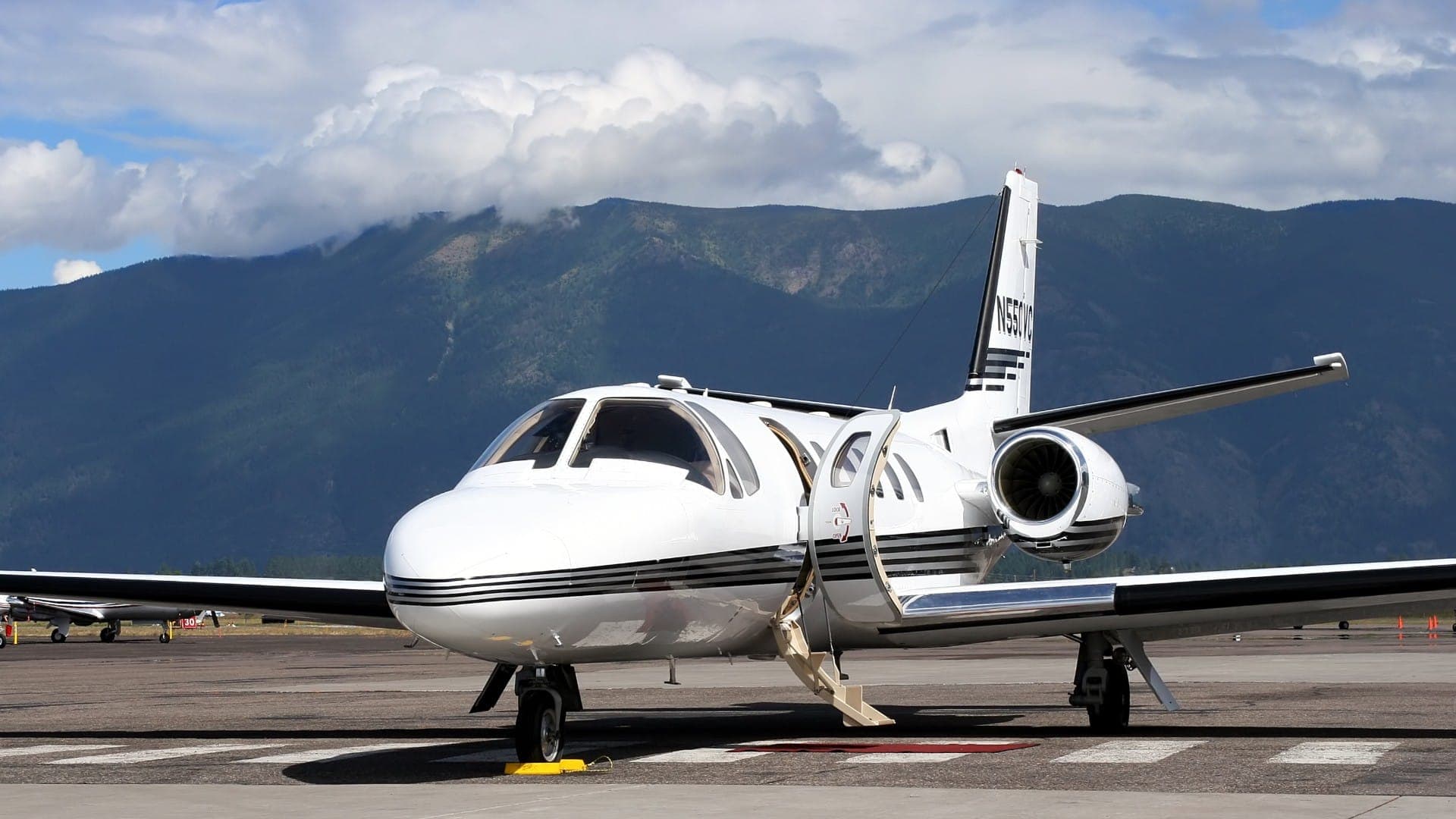
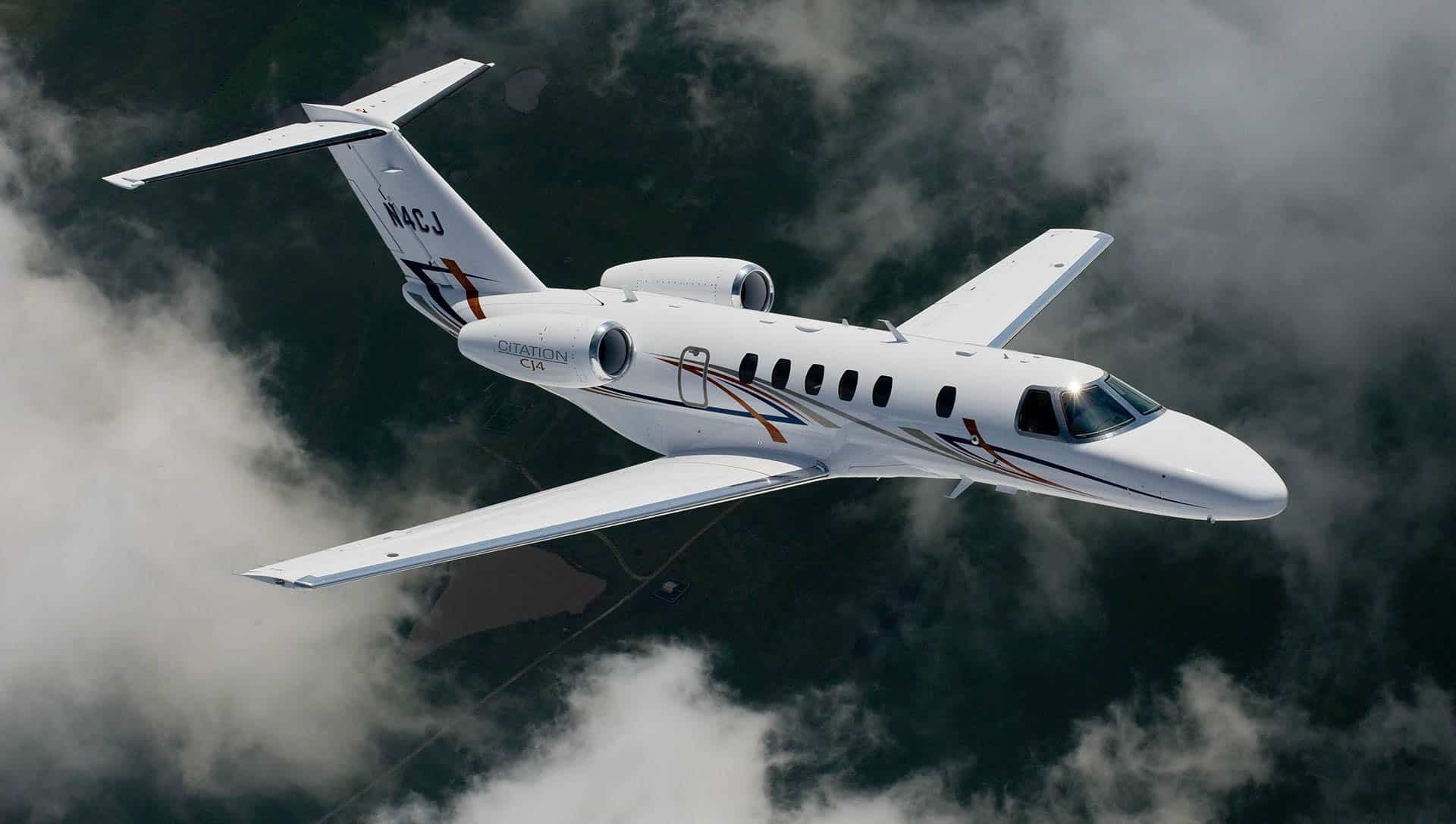
Very light and light jets (HondaJet, Citation CJ series, Phenom 300) cover the classic European city pairs — Geneva–London, Paris–Nice, Milan–Zurich — in comfort at the lowest jet price point.
Midsize and super midsize jets (Citation XLS+, Challenger 350, Praetor 500) add standing cabins, better luggage capacity and transcontinental legs: think Geneva–Dubai with one stop, or nonstop London–Riyadh on a super-mid.
Heavy and ultra long range jets (Falcon 7X, Gulfstream G550/G650, Global 6000/7500) fly intercontinental nonstop — Europe to Cape Town, Singapore or Los Angeles — with sleeping configurations, full galleys and cabin crew.
Not sure which fits your route? Browse the full aircraft selection or simply tell us the mission — matching aircraft to itinerary is the core of a broker's job.
A charter quote is not an hourly rate multiplied by flight time. It's a stack of real costs:
Two structural implications follow. First, one-way pricing: because the aircraft must usually return to base, a one-way charter is not half the price of a return — unless you catch an empty leg (below). Second, round trips within a day or two are often disproportionately cheap, because the aircraft simply waits for you rather than repositioning twice.
As a rule of thumb across the market, private jet flights start from roughly €2,500 per flight hour for turboprops and reach €16,000+ per hour for ultra-long-range jets.
When an aircraft flies without passengers to reposition — returning to base, or moving to its next booking — that sector can be sold as an empty leg, typically at 25–75% below the standard charter price. Same aircraft, same crew, same service.
The constraints are real: empty legs are one-way, tied to the operator's schedule, and can move or vanish if the originating booking changes. They suit flexible travellers brilliantly and rigid schedules poorly. You can browse current empty legs or register for alerts on your preferred routes — we'll notify you when a match appears.
For short-notice flights, charter can be arranged in a few hours. For best availability and pricing, 48–72 hours' notice is the sweet spot, and peak periods (Christmas in the Alps, Monaco Grand Prix, summer Balearics) reward booking weeks ahead.
Every legitimate operator holds an AOC — the baseline legal requirement. Serious vetting goes further:
A broker's incentive here is aligned with yours: JetFlo works only with operators meeting our internal standards, because our business survives on flights going right. Ask any broker how they vet operators; a vague answer is itself an answer. Our certifications page details our own accreditations.
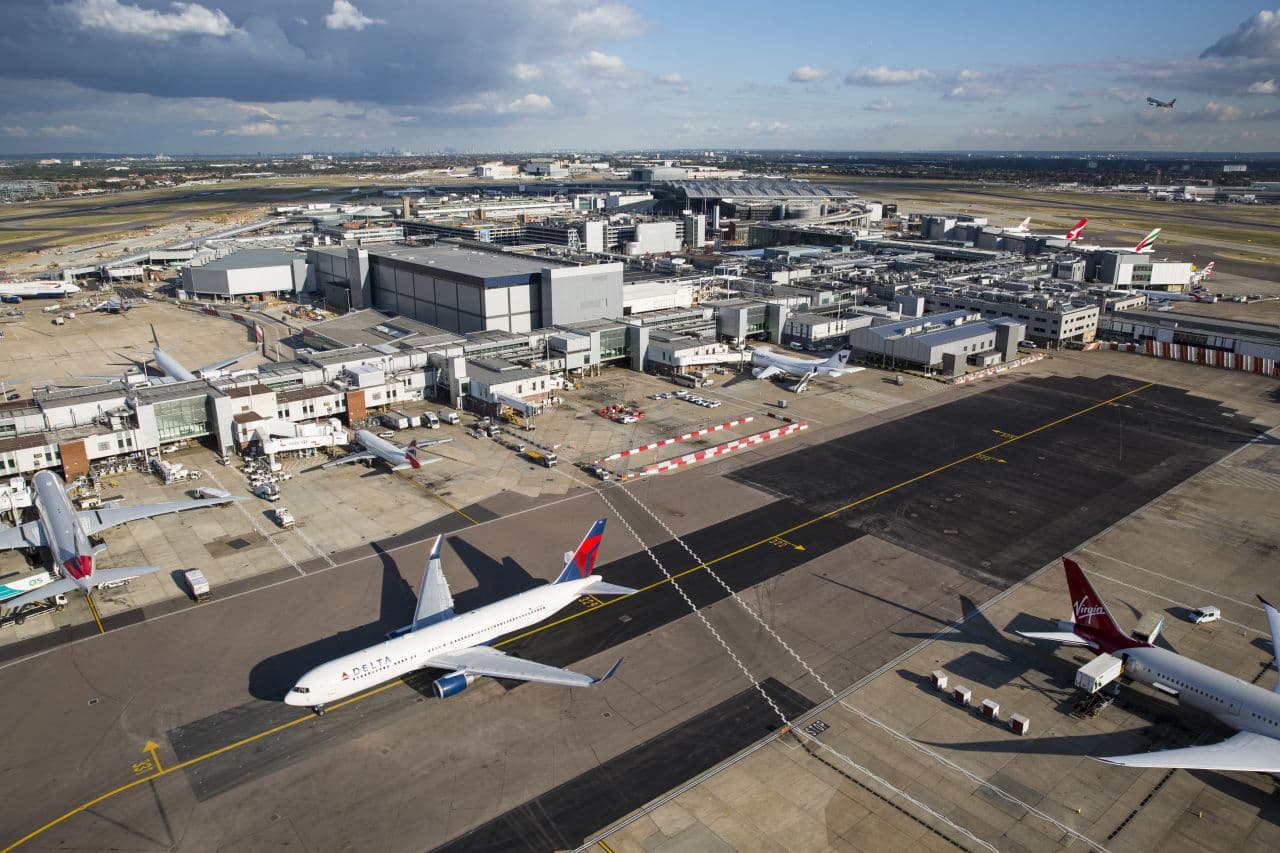
Private aviation's time advantage comes less from the flying than from the ground. Charter opens up thousands of airports airlines don't serve — over 5,000 worldwide — so you fly to Sion instead of Geneva for Verbier, Samedan for St. Moritz, La Môle for Saint-Tropez. Browse our airport directory for options near your destination.
At the airport, you use an FBO (Fixed-Base Operator) — a private terminal where security and border formalities take minutes, your car meets the aircraft, and boarding happens on your schedule. Total airport time: often under 20 minutes, against 2+ hours for commercial long-haul.
Private aviation has a carbon footprint, and pretending otherwise serves nobody. Practical levers exist:
Charter is the right model when flexibility outranks commitment: variable routes, variable party sizes, up to roughly 100–150 flight hours a year, or simply a preference for paying only when you fly. If you're flying more than that on predictable routes, fractional shares and jet cards deserve a look — our comparison guide covers the trade-offs honestly.
For everyone else, the process starts with a single request. Tell us your route and you'll have real options, with transparent pricing, within the hour.

Verfasst von
Founder & CEO
Florent Sériès is the founder and CEO of JetFlo, a Geneva-based, IATA-certified private jet charter brokerage. He has spent his career in business aviation and writes about charter operations, aircraft selection, and sustainable private aviation.
40+ years combined team experience in business aviation · IATA-certified brokerage
Tell us your route — transparent quotes within the hour.